













Current Location:Home > News > Industry news
News

 News
News 
-
ContactUs
-
Link:Mr. Zhu 13502623993
Mr. Yao 13802302895
Tel:+86-768-2851959
Email:156585848@qq.com
Address:Chaozhou Avenue North Station East Road, Xiangqiao District, Chaozhou City, Guangdong Province

Application and Industry Landscape of Computer Automatic Control gravure Printing Machine Technology
Category:Industry news Addtime:2025-12-03 09:50:49 Clicks:433 次
1、 Equipment classification and core structure
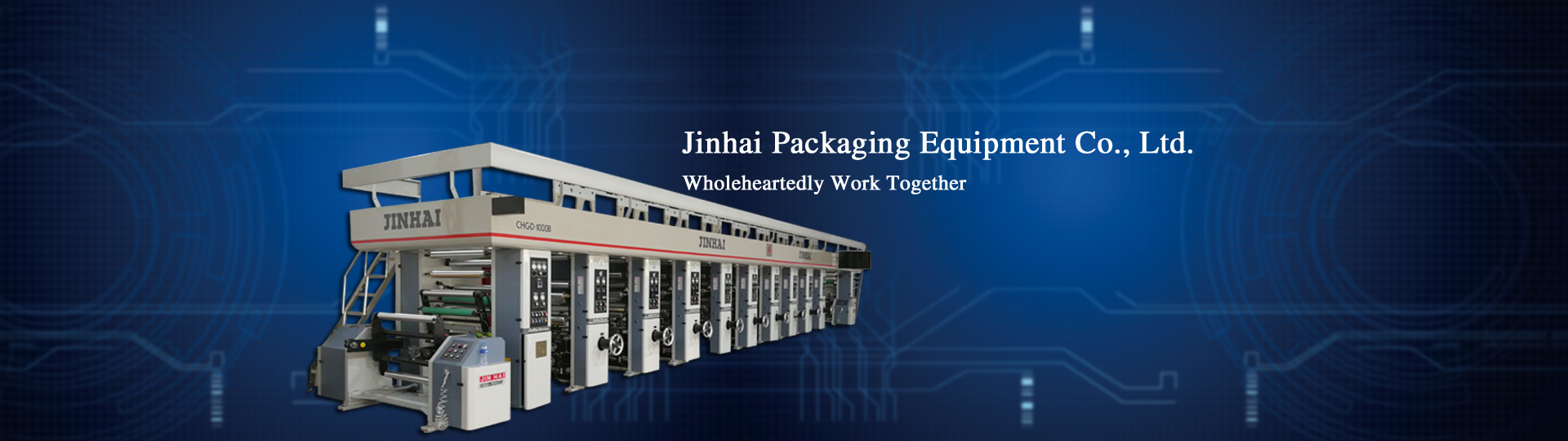
The computer-controlled gravure printing machine, as the core equipment of packaging printing, relies on technical characteristics and application scenarios to form a diversified classification system. The core structure is designed around automated printing and stable control:
Classified by substrate type:
Roll material type: suitable for plastic film, paper, aluminum foil and composite materials, it is the mainstream model in the market, with a conventional paper width of 300-2200mm, supporting continuous production, and suitable for large-scale needs such as flexible packaging and cigarette packs;
Single sheet paper type: For non continuous printing scenarios such as thick cardboard and decorative paper, the single sheet printing size covers A4 to large format specifications, suitable for personalized production such as building materials and customized packaging.
Classified by control type:
Electronic axis control type: using servo motor to directly drive the plate roller, combined with PLC control system to achieve independent color group adjustment, timely printing response, is the mainstream configuration model;
Mechanical axis control type: synchronizes various printing units through mechanical transmission, with a simple structure, suitable for small and medium-sized production scenarios, and relatively low equipment maintenance costs.
Core structure:
Infrastructure: composed of five core units: paper feeding, ink feeding, printing, drying, and paper delivery, adopting modular design for easy disassembly, assembly, and maintenance;
Control module: Integrated computer control system, supporting parameter preset, real-time status monitoring, and fault alarm. Some models are equipped with AI visual inspection components, which can identify printing defects and provide feedback for adjustment;
Key components: equipped with pneumatic pressure scraper device, closed-loop tension control system (tension range 3-7kgf, control range ± 0.5kgf), infrared hot air composite drying system, ensuring stable and controllable printing process.
2、 Technical characteristics and compliance standards
The production and use of equipment must comply with multiple national and industry standards, with core technical features focusing on stability, environmental protection, and practical functions:
Compliance requirements: The product must comply with standards such as GB/T 7707 "Gravure Decoration Printing Products" and JB/T 5431 "Printing Machinery Roll Material Gravure Printing Machine". Food packaging equipment must meet GB 9683 "Hygienic Standard for Composite Food Packaging Bags", and pharmaceutical packaging adaptation models must comply with relevant provisions of YBB 00132002;
Environmental indicators: Benzene, methanol and other solvents are prohibited during the printing process, and water-based inks or solvent-free adhesives are preferred. VOCs emissions must comply with environmental regulations, and some models are equipped with solvent recovery systems to improve resource utilization;
Performance parameters: The conventional printing speed can reach 180m/min (when the plate diameter is ≥ 300mm), and the overlay error is controlled within the range of longitudinal ± 0.1mm and transverse ± 0.1mm; Temperature control range ± 2 ℃ to ensure uniform ink drying effect;
Safety Design: Equipped with emergency stop devices, protective fences, and static elimination components, the electrical system meets safety standards, and noise during operation is controlled within the normal range of industrial equipment to avoid environmental interference.
3、 Application scenarios and selection logic
Equipment selection should be based on production capacity requirements, substrate characteristics, and industry compliance requirements to form three typical application solutions:
Food packaging scene:
Suitable for packaging printing of snacks, baked goods, beverages and other products, electronic axis control equipment is preferred, paired with food grade environmentally friendly ink to ensure solvent residue meets standards; Large scale production can choose configurations with more than 12 colors, support complex pattern printing, and have a larger diameter of up to 1000mm for feeding and unloading, reducing the frequency of roll changing.
Medical packaging scene:
For the printing of aluminum-plastic blister packs, pharmaceutical composite films, etc., it is necessary to choose a model that meets GMP requirements, equipped with QR code traceability printing function, supports clear printing of small font size (size 2), and some models can integrate sterile production auxiliary systems to meet the requirements of clean environment operation.
Industrial and Building Materials Scenarios:
Suitable for printing automotive labels, decorative paper, logistics tray labels, etc. For wear-resistant and high-temperature requirements, UV curing ink compatible models can be selected. Wide width models (paper width ≥ 1600mm) are suitable for large-area printing of building materials and support 24-hour continuous operation.
Key points of selection: match equipment operating efficiency with 1.2 times actual production capacity and reserve production surplus; Select the corresponding tension control range based on the thickness of the substrate (film/paper/aluminum foil); Priority should be given to equipping water-based ink compatible models and solvent recovery devices in areas with strict environmental protection.
4、 Industry Status and Development Trends
Driven by the demand of the packaging industry, Chinas gravure printing machine industry is steadily developing, presenting a structured upgrade feature:
Market size: The industry market size will reach 8.63 billion yuan in 2024, an increase of 44.6% compared to 2020, with flexible packaging applications accounting for over 55%, becoming the main segmented market; The East China region (Jiangsu, Zhejiang, Shanghai) accounts for 42.8% of the national sales, and the industrial cluster effect is significant;
Competition pattern: There are over 70 domestic manufacturers, and more than 70% of the national production capacity is concentrated in the Yangtze River Delta and Pearl River Delta regions. Local enterprises have a market share of over 65% in the mid-range market, and the process of domestic substitution of core components is accelerating. Some enterprise products are exported to Southeast Asia, the Middle East and other regions;
Technological trends: Continuous iteration in three major directions - intelligent upgrading, deepening integration of PLC and IoT, and gradual popularization of predictive maintenance systems; Green transformation, increased application of water-based ink and solvent-free printing technology, and continuous reduction of VOCs emissions; Functional integration, with an increase in integrated printing, die-cutting, and slitting equipment to meet flexible production needs;
Market expansion: The domestic market is sinking towards the central and western regions, accompanied by the transfer of manufacturing industries. The growth rate of equipment procurement in inland areas is higher than the national average; The overseas market focuses on the countries along the "the Belt and Road". The export products need to meet the CE and other international certification standards. Compliance and localized services become the key to competition.
The industry development focuses on technological innovation and compliant production, with equipment iteration that meets downstream industry environmental protection, production needs, and customization requirements. In the future, it will further promote the intelligent and green transformation of the printing industry.
The computer-controlled gravure printing machine, as the core equipment of packaging printing, relies on technical characteristics and application scenarios to form a diversified classification system. The core structure is designed around automated printing and stable control:
Classified by substrate type:
Roll material type: suitable for plastic film, paper, aluminum foil and composite materials, it is the mainstream model in the market, with a conventional paper width of 300-2200mm, supporting continuous production, and suitable for large-scale needs such as flexible packaging and cigarette packs;
Single sheet paper type: For non continuous printing scenarios such as thick cardboard and decorative paper, the single sheet printing size covers A4 to large format specifications, suitable for personalized production such as building materials and customized packaging.
Classified by control type:
Electronic axis control type: using servo motor to directly drive the plate roller, combined with PLC control system to achieve independent color group adjustment, timely printing response, is the mainstream configuration model;
Mechanical axis control type: synchronizes various printing units through mechanical transmission, with a simple structure, suitable for small and medium-sized production scenarios, and relatively low equipment maintenance costs.
Core structure:
Infrastructure: composed of five core units: paper feeding, ink feeding, printing, drying, and paper delivery, adopting modular design for easy disassembly, assembly, and maintenance;
Control module: Integrated computer control system, supporting parameter preset, real-time status monitoring, and fault alarm. Some models are equipped with AI visual inspection components, which can identify printing defects and provide feedback for adjustment;
Key components: equipped with pneumatic pressure scraper device, closed-loop tension control system (tension range 3-7kgf, control range ± 0.5kgf), infrared hot air composite drying system, ensuring stable and controllable printing process.
2、 Technical characteristics and compliance standards
The production and use of equipment must comply with multiple national and industry standards, with core technical features focusing on stability, environmental protection, and practical functions:
Compliance requirements: The product must comply with standards such as GB/T 7707 "Gravure Decoration Printing Products" and JB/T 5431 "Printing Machinery Roll Material Gravure Printing Machine". Food packaging equipment must meet GB 9683 "Hygienic Standard for Composite Food Packaging Bags", and pharmaceutical packaging adaptation models must comply with relevant provisions of YBB 00132002;
Environmental indicators: Benzene, methanol and other solvents are prohibited during the printing process, and water-based inks or solvent-free adhesives are preferred. VOCs emissions must comply with environmental regulations, and some models are equipped with solvent recovery systems to improve resource utilization;
Performance parameters: The conventional printing speed can reach 180m/min (when the plate diameter is ≥ 300mm), and the overlay error is controlled within the range of longitudinal ± 0.1mm and transverse ± 0.1mm; Temperature control range ± 2 ℃ to ensure uniform ink drying effect;
Safety Design: Equipped with emergency stop devices, protective fences, and static elimination components, the electrical system meets safety standards, and noise during operation is controlled within the normal range of industrial equipment to avoid environmental interference.
3、 Application scenarios and selection logic
Equipment selection should be based on production capacity requirements, substrate characteristics, and industry compliance requirements to form three typical application solutions:
Food packaging scene:
Suitable for packaging printing of snacks, baked goods, beverages and other products, electronic axis control equipment is preferred, paired with food grade environmentally friendly ink to ensure solvent residue meets standards; Large scale production can choose configurations with more than 12 colors, support complex pattern printing, and have a larger diameter of up to 1000mm for feeding and unloading, reducing the frequency of roll changing.
Medical packaging scene:
For the printing of aluminum-plastic blister packs, pharmaceutical composite films, etc., it is necessary to choose a model that meets GMP requirements, equipped with QR code traceability printing function, supports clear printing of small font size (size 2), and some models can integrate sterile production auxiliary systems to meet the requirements of clean environment operation.
Industrial and Building Materials Scenarios:
Suitable for printing automotive labels, decorative paper, logistics tray labels, etc. For wear-resistant and high-temperature requirements, UV curing ink compatible models can be selected. Wide width models (paper width ≥ 1600mm) are suitable for large-area printing of building materials and support 24-hour continuous operation.
Key points of selection: match equipment operating efficiency with 1.2 times actual production capacity and reserve production surplus; Select the corresponding tension control range based on the thickness of the substrate (film/paper/aluminum foil); Priority should be given to equipping water-based ink compatible models and solvent recovery devices in areas with strict environmental protection.
4、 Industry Status and Development Trends
Driven by the demand of the packaging industry, Chinas gravure printing machine industry is steadily developing, presenting a structured upgrade feature:
Market size: The industry market size will reach 8.63 billion yuan in 2024, an increase of 44.6% compared to 2020, with flexible packaging applications accounting for over 55%, becoming the main segmented market; The East China region (Jiangsu, Zhejiang, Shanghai) accounts for 42.8% of the national sales, and the industrial cluster effect is significant;
Competition pattern: There are over 70 domestic manufacturers, and more than 70% of the national production capacity is concentrated in the Yangtze River Delta and Pearl River Delta regions. Local enterprises have a market share of over 65% in the mid-range market, and the process of domestic substitution of core components is accelerating. Some enterprise products are exported to Southeast Asia, the Middle East and other regions;
Technological trends: Continuous iteration in three major directions - intelligent upgrading, deepening integration of PLC and IoT, and gradual popularization of predictive maintenance systems; Green transformation, increased application of water-based ink and solvent-free printing technology, and continuous reduction of VOCs emissions; Functional integration, with an increase in integrated printing, die-cutting, and slitting equipment to meet flexible production needs;
Market expansion: The domestic market is sinking towards the central and western regions, accompanied by the transfer of manufacturing industries. The growth rate of equipment procurement in inland areas is higher than the national average; The overseas market focuses on the countries along the "the Belt and Road". The export products need to meet the CE and other international certification standards. Compliance and localized services become the key to competition.
The industry development focuses on technological innovation and compliant production, with equipment iteration that meets downstream industry environmental protection, production needs, and customization requirements. In the future, it will further promote the intelligent and green transformation of the printing industry.


